
Plant Wide Services logo

Capabilities

Electrical &
instrumentation scopes

One contractor for the power side and the loop side. That is usually how the work actually shows up — a motor that will not start and a transmitter reading wrong on the same unit — so we are set up to take both, and to take them on a scheduled outage as well as a call-out. Refineries, chemical plants and oil & gas plants — and the terminals, tank farms and loading racks on the same corridor.

Lead capabilities

Substations, motors,
loops and the yard

The scopes that come up most often on a plant scope walk, each one detailed. Every other service we offer follows below.

Substation & SwitchgearElectrical01 / 04

Substation & Switchgear

High-voltage work from the utility tie through the unit — substation and switchgear installation and replacement, transformer setting and connections, breakers and protective devices, bus and terminations, and the grounding and commissioning support that follows.

  • Substation & switchgear installation
  • Transformer setting & connections
  • Breaker & protective device work
  • Bus and high-voltage terminations
  • Grounding grid & bonding
  • Energization support
Scope detail
Motor Installation & ReplacementElectrical02 / 04

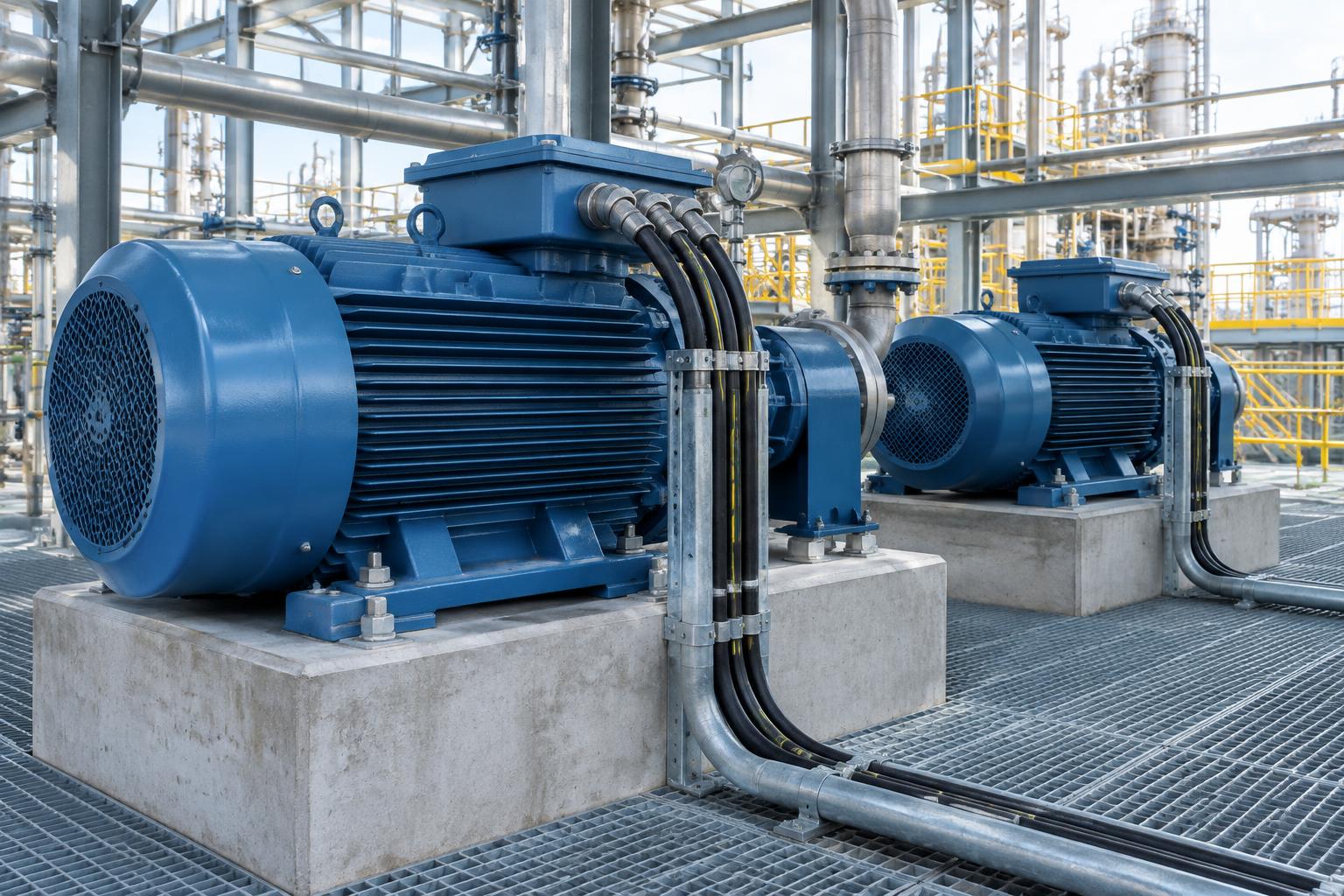
Motor Installation & Replacement

Motors pulled, set and landed as a planned job — rigging coordinated with millwrights, cable installed and terminated, starters and MCC buckets squared away, and the megger, rotation and circuit checks done before the unit is handed back.

  • Motor removal & replacement
  • Rigging with millwright coordination
  • Motor termination & cable installation
  • MCC bucket & starter work
  • Raceway and conduit to the motor
  • Rotation, megger & circuit checks
Scope detail
Instrumentation & ControlsInstrumentation03 / 04

Instrumentation & Controls

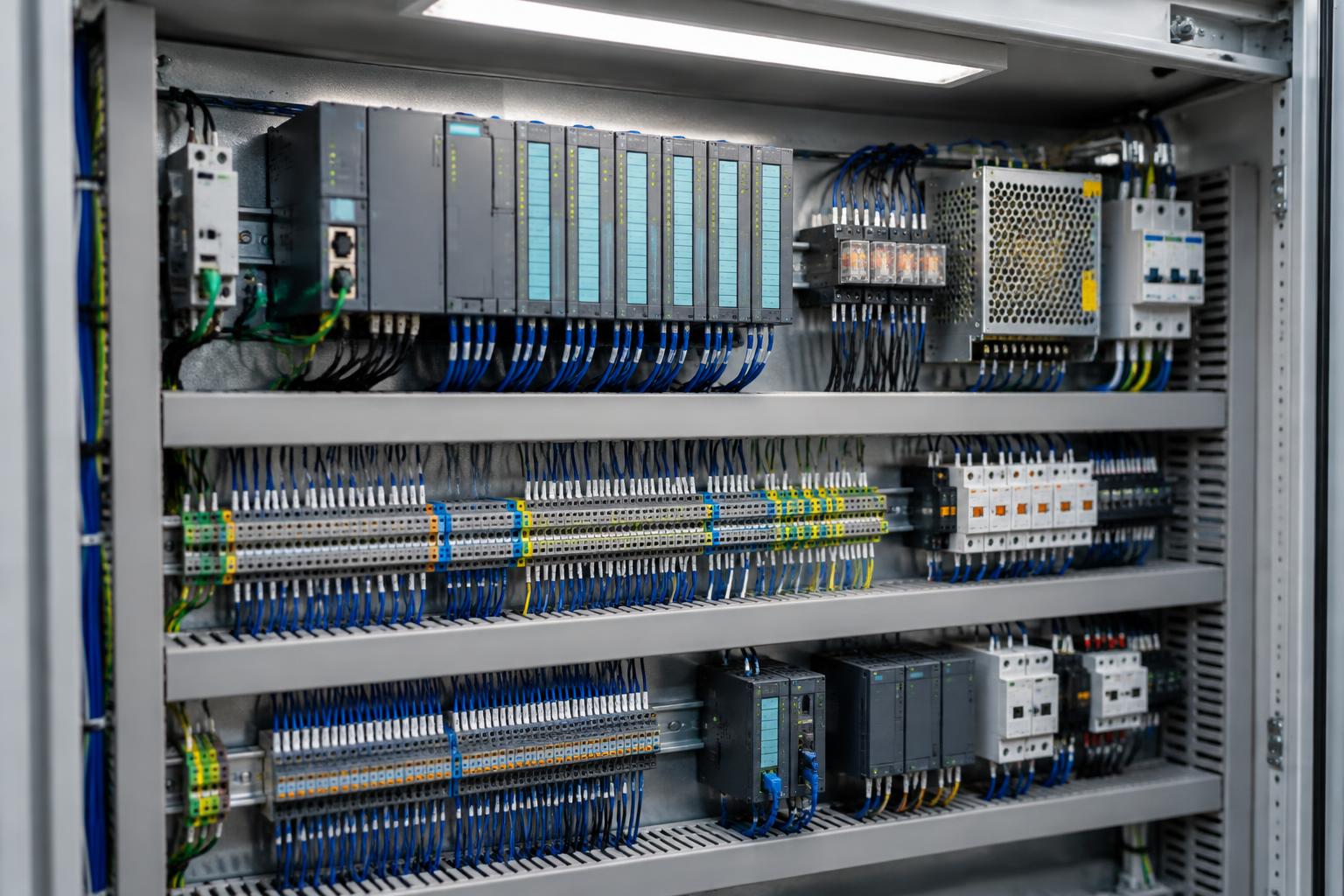
The field side of instrumentation and control — transmitters and switches, analyzers, control valves and positioners, loop checks from device to control system, PLC and DCS I/O checkout, and calibration records that hold up to an audit.

  • Transmitter & switch installation
  • Control valve & positioner setup
  • Loop checks & I/O checkout
  • PLC and DCS field support
  • Calibration records (as-found / as-left)
  • Loop folders & as-built drawings
Scope detail
Tank Farms & TerminalsElectrical04 / 04

Tank Farms & Terminals

Electrical and instrumentation work across tank farms and terminal facilities — on the tanks, at the pump stations and out in the yard. Motors and pumps pulled, set and replaced; tank level and instrumentation installed, loop checked and documented; switchgear and motor control work; grounding, bonding and cable tray; and the yard and area lighting that keeps a tank farm workable through the night.

  • Motor and pump installation & replacement
  • Tank level and instrumentation work
  • Loop checked and documented
  • Switchgear and motor control work
  • Grounding, bonding and cable tray
  • Yard and area lighting
Scope detail

By discipline

Where the line falls

Useful when you are writing a scope yourself and deciding who owns what.

Electrical

8 items

Power from the utility tie to the load.

  • Substations, switchgear and transformers
  • Motor control centers and starters
  • Motor installation, replacement and alignment support
  • Cable tray, conduit and raceway
  • Feeder terminations and cable pulls
  • Tank farm, terminal and loading rack electrical
  • Heat trace installation and repair
  • Lighting, power distribution, grounding and bonding

Instrumentation & controls

7 items

The loop, from the field device back to the control system.

  • Transmitters, switches and analyzers
  • Control valves and positioners
  • Loop checks from field device to control system
  • PLC / DCS I/O checkout and field support
  • Control panel assembly and modification
  • Calibration with as-found and as-left records
  • Loop folders, marked drawings and as-builts

The full list

Every scope we take on

Nine service lines. Tap any one for the detail, the typical scope items and how the work is planned.

Scope list loading

Call us and we will walk the job with you.

Contact

How a scope runs

Scope, plan, execute, verify

Every job moves through the same four stages, whether it is a two-day motor changeout or a six-week turnaround package.

  1. 01

    Scope

    Walk the job with your team. Review drawings, tag numbers and existing conditions, then agree where our work starts and ends.

  2. 02

    Plan

    Crew size, materials, permits and schedule built around your unit constraints — not around our convenience.

  3. 03

    Execute

    Field work by electrical and instrumentation crews with supervision on site, and a daily report on what moved.

  4. 04

    Verify

    Loop checks, testing and commissioning support. Closeout documents, marked drawings and punch list handed over at turnover.

Not sure which scope you need?

Describe the unit and the problem. We will tell you what it takes and whether it is electrical, instrumentation, or both.